RPET vs PP: Why Recycled PET Is the Smarter, More Sustainable Choice for Packaging
As sustainability becomes a key priority for manufacturers and consumers alike, choosing the right plastic material is more important than ever.
Two of the most commonly used materials in packaging are Recycled Polyethylene Terephthalate (RPET) and Polypropylene (PP).
While both have their applications, RPET is quickly becoming the preferred solution for companies looking to reduce their environmental impact—without compromising performance.
What Is RPET?
RPET (Recycled Polyethylene Terephthalate) is made from recycled plastic, typically post-consumer materials like water bottles and food containers.
Instead of creating new plastic from raw resources, RPET gives existing materials a second life—making it a circular and environmentally responsible option.
What Is Polypropylene (PP)?
Polypropylene (PP) is a widely used virgin plastic known for its durability and flexibility. It is commonly used in Food containers that need to be microved.
However, PP is typically produced from new (non-recycled) materials and is less commonly recycled in many markets.
Environmental Impact: RPET Wins
RPET significantly reduces environmental impact compared to PP:
✔Uses recycled materials instead of virgin plastic
✔Reduces landfill waste
✔Requires less energy to produce
✔Lowers carbon footprint
In contrast, PP is less frequently recycled and more likely to end up in landfills.
Companies switching to RPET can actively support sustainability goals and meet growing consumer expectations.
Recyclability & Market Perception
RPET is widely accepted in recycling systems and benefits from a strong positive perception among consumers.
- RPET: Widely recyclable and already part of established recycling streams
- PP: Limited recycling infrastructure in many regions Choosing RPET helps ensure your packaging can be reused and reintegrated into the supply chain.
Consumers recognize PET (#1) as recyclable Brands can promote recycled content (50% to 100% RPET)
Transparency & Product Visibility
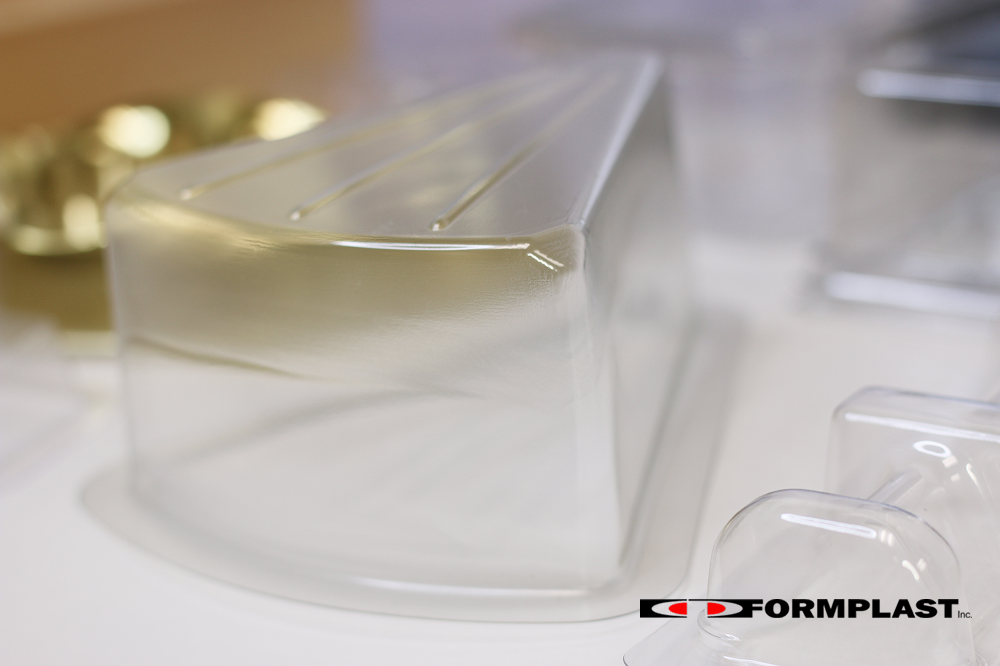
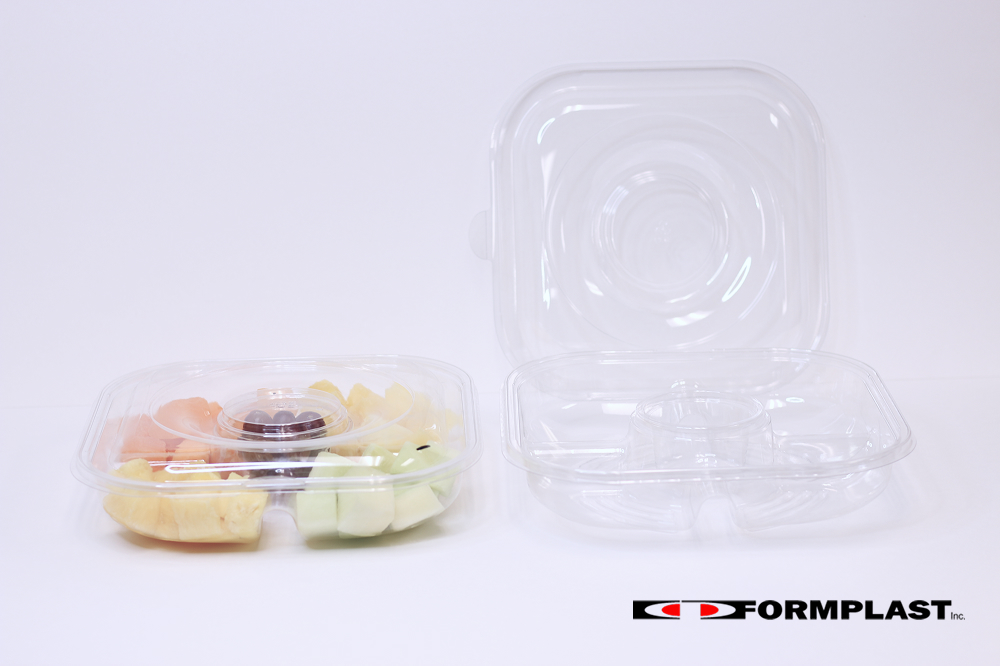
RPET offers excellent clarity, making it ideal for retail packaging.
✔Crystal-clear appearance enhances product visibility
✔Helps products stand out on shelves
✔Builds consumer trust through transparency
PP, on the other hand, is typically more opaque and less visually appealing.
Performance & Protection
RPET delivers strong performance across many packaging applications:
✔Lightweight yet durable
✔Good impact resistance
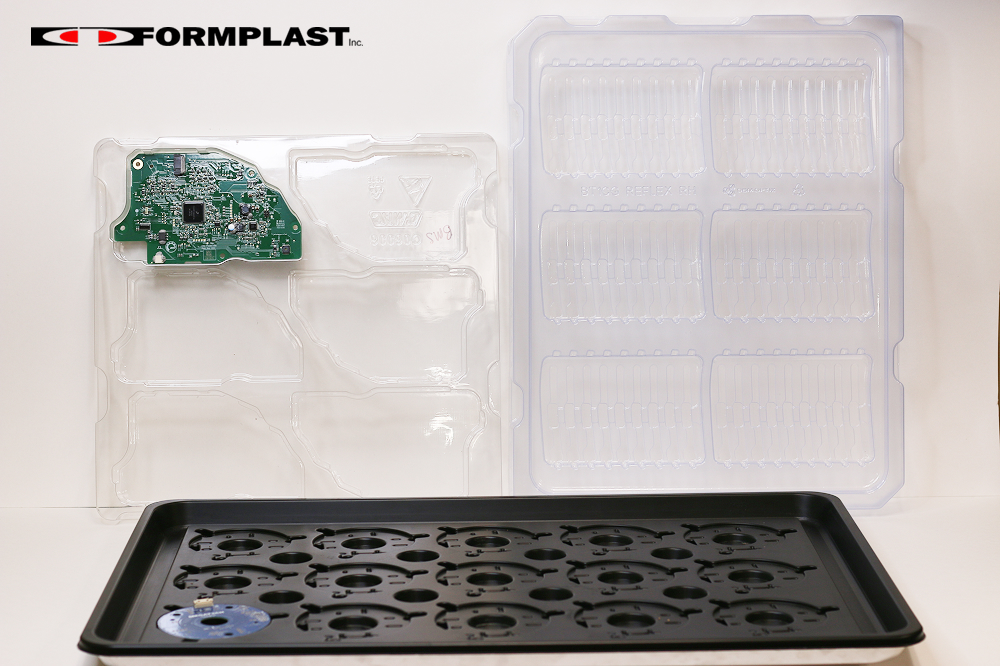
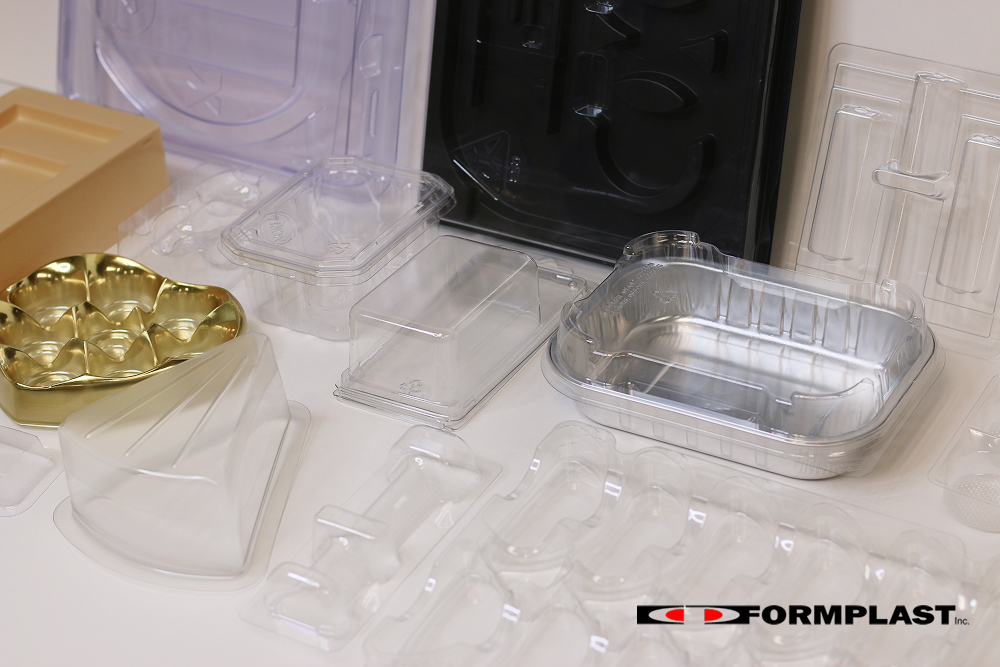
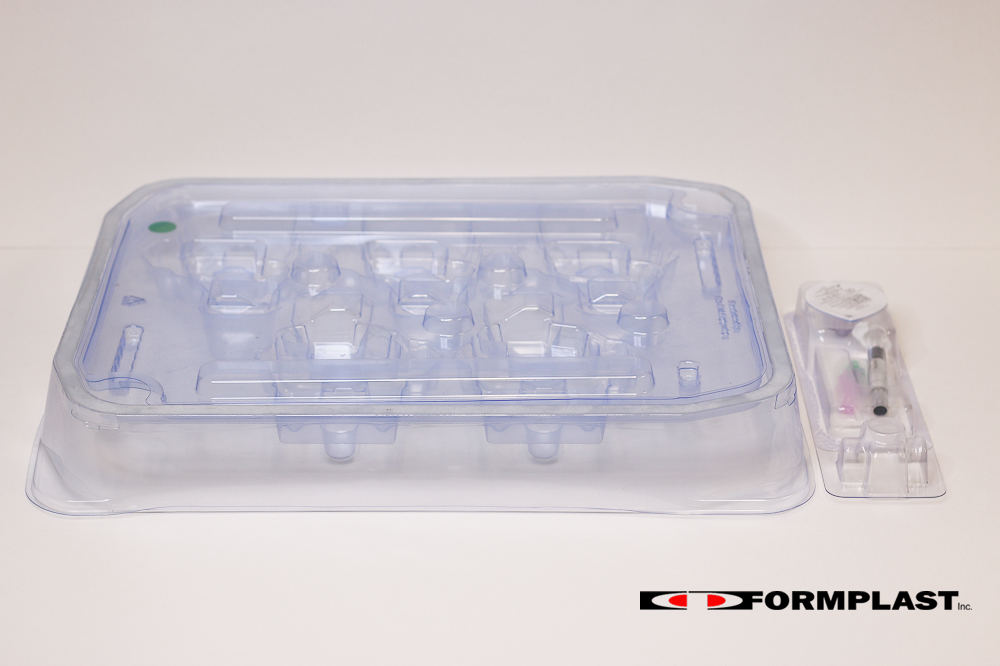
✔Excellent for protective packaging (trays, clamshells, inserts)
It offers the balance between protection, presentation, and sustainability.
Brand Image & Consumer Preference
Today’s consumers are paying attention.
Brands using sustainable materials like RPET benefit from:
✔Stronger brand perception
✔Increased customer trust
✔Alignment with sustainability goals
Packaging is no longer just functional it’s a key part of your brand story.
Conclusion: The Smart Choice for Today and Tomorrow
Choosing RPET over PP means:
✔ Reducing your environmental footprint
✔Align with modern sustainability expectations
✔ Enhancing your brand image
✔ Using a high-performance, visually appealing material
RPET stands out as the environmentally superior and strategically smarter choice compared to PP.
Ready to Make the Switch?
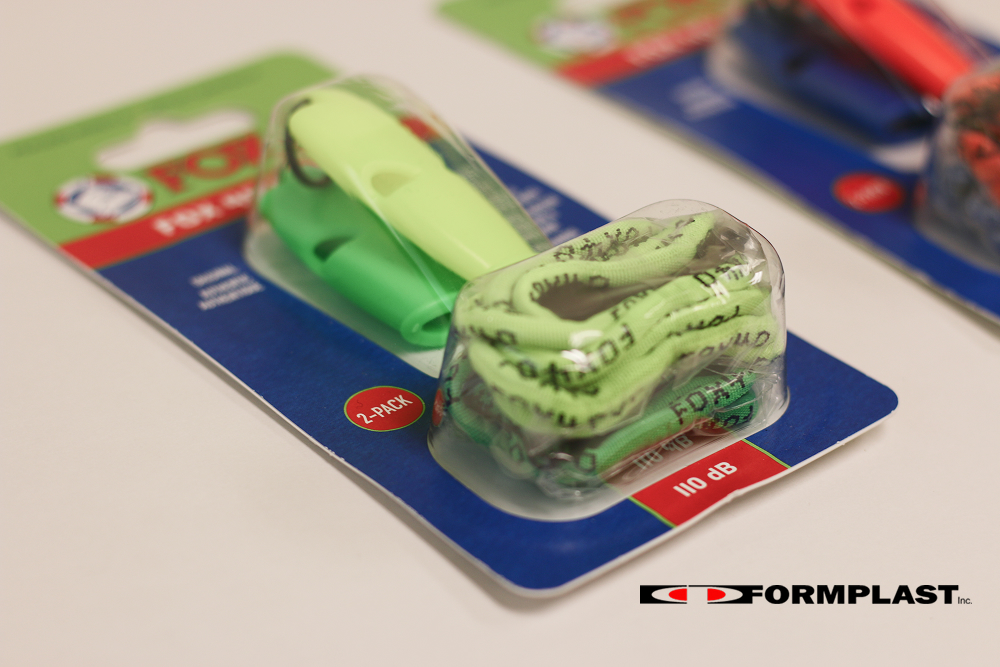
At CP Formplast, we specialize in custom thermoformed packaging using sustainable materials like RPET helping you reduce your footprint without sacrificing performance or quality.
Discover why Recycled Polyethylene Terephthalate (RPET) stands out as the environmentally superior choice compared to Polypropylene (PP).
Get in touch with CP Formplast to explore how your next packaging project can be greener without compromise.